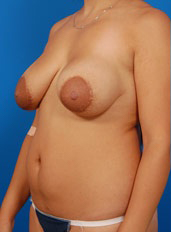
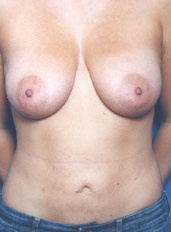
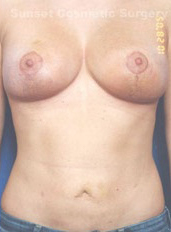
What Happens During Nipple Reduction Surgery?
Dr. Yamini or Dr. Svehlak plans your nipple reduction according to your anatomy and the changes you would like to make. They will guide you through the process.
Consultation to discuss your goals
During your consultation, your surgeon will examine your nipples and areolas and discuss the size and shape you would like to achieve.
Determine what needs to be reduced
Nipple reduction can address different concerns, including: nipple diameter, length, projection, or a combination of these concerns.
Choose the Appropriate Technique
There are several nipple reduction techniques. Your surgeon will select the approach based on your individual anatomy and the amount of reduction needed.
Reshape the Nipple
During surgery, a portion of the nipple skin and/or tissue may be carefully removed or reshaped. The amount removed depends on the desired reduction and the nipple’s natural shape.
Carefully Close the Tissue
The remaining tissue is precisely repositioned and closed to create the desired size and shape.
Combine Procedures When Appropriate
Nipple reduction can often be performed during the same operation as another breast procedure, such as a breast lift or breast augmentation.
Nipple Reduction Recovery
Recovery after nipple reduction is generally straightforward, although some tenderness, swelling, puffiness, or temporary numbness is expected. Mild asymmetry can also occur while the tissues heal and swelling subsides.
Your surgeon may recommend a surgical bra and/or tape to support the area and minimize swelling. Most patients can return to work and normal daily activities within one to two weeks, while strenuous activity and heavy lifting may need to be avoided for several weeks.
As healing progresses, swelling gradually decreases and the nipples settle into their new shape. Final results may take longer to develop when nipple reduction is combined with a breast lift, augmentation, or other breast procedure.
Nipple and Areola Reduction
The nipple and areola can be treated separately or together. Nipple reduction in Beverly Hills focuses on the nipple itself, while areola reduction makes the circular area surrounding the nipple smaller.
Some patients are primarily concerned with the size or projection of their nipples, while others feel that both the nipples and areolas are too large. In these cases, nipple and areola reduction can be performed together to create a more balanced appearance.
Nipple and areola correction can also be performed as part of a breast lift, breast augmentation, or breast reduction when other changes to the breasts are desired.
Male Nipple Reduction
Men can also have nipples that they feel are too large or prominent. Male nipple reductions in Beverly Hills can reduce the size or projection of the nipples and create a more proportionate appearance.
For some men, the nipples are the main concern. For others, enlarged nipples or areolas may be accompanied by excess breast tissue. In these cases, nipple reduction may be performed together with gynecomastia surgery.
Treatment will depend on whether the concern is with the nipple itself, the areola, excess breast tissue, or a combination of these issues.
Benefits of Nipple Reduction
Nipple reduction can help patients achieve a more balanced and proportionate breast appearance. Potential benefits include:
- Improved nipple proportions: Reduce nipple diameter, length, or projection.
- Better breast symmetry: Address differences in nipple size or shape.
- A more balanced appearance: Create proportions that complement the breasts and overall body.
- Greater clothing confidence: Reduce concerns about prominent nipples showing through clothing.
- Customized results: Treatment can be tailored to your anatomy and aesthetic goals.
- Combination treatment: Nipple reduction can often be performed alongside breast augmentation, breast lift, or other breast procedures.
Who Is a Candidate?
Nipple reduction in Beverly Hills may be appropriate for individuals who are unhappy with nipples that appear too large, long, prominent, or disproportionate to the breasts. Some patients may also seek treatment because of noticeable differences in nipple size or shape between the breasts.
Patients should be in generally good health and have realistic expectations about what nipple reduction surgery can accomplish. During your consultation, your surgeon will examine the nipples and areolas and discuss the changes you would like to make.
If you are planning to become pregnant or breastfeed in the future, this should also be discussed during your consultation. Depending on the surgical technique, nipple surgery may affect nipple sensation or the ability to breastfeed.
Are There Any Risks?
As with any surgery, there are risks to consider with nipple reduction surgery. These can include infection, bleeding, scarring, changes in nipple sensation, asymmetry, delayed healing, or changes in the shape or projection of the nipple.
Some patients experience temporary numbness or increased sensitivity while the area heals. Although many changes in sensation improve with time, some can last longer or be permanent.
If you are concerned about future breastfeeding, this is something to discuss with your surgeon before surgery. The effect on breastfeeding can vary depending on the technique used and how the nipple and surrounding tissues are treated.
Your surgeon will go over the procedure and its potential risks with you before surgery so that you know what to expect.
How Much Does Nipple Reduction Surgery Cost?
Patients considering nipple reduction surgery often ask, “How much is a nipple reduction?” The answer can vary because every patient’s procedure is different.
The nipple reduction surgery cost may depend on whether one or both nipples are being treated, the technique required, whether the areolas are also being reduced, the type of anesthesia used, and whether nipple reduction is combined with another breast procedure.
For this reason, there is no single cost that applies to every nipple reduction patient. During your consultation, your surgeon can discuss your recommended treatment plan and provide information about the expected cost.